
Subaru Outback vs. Toyota RAV4: AWD, Space & Versatility Compared
Subaru Outback vs. Toyota RAV4
Choosing between two of the most popular crossovers on the road? Compare standard all-wheel drive capabilities, interior space, ride comfort, and daily versatility to find the right fit for your commute down I-85 or your next weekend adventure.
The Quick Answer
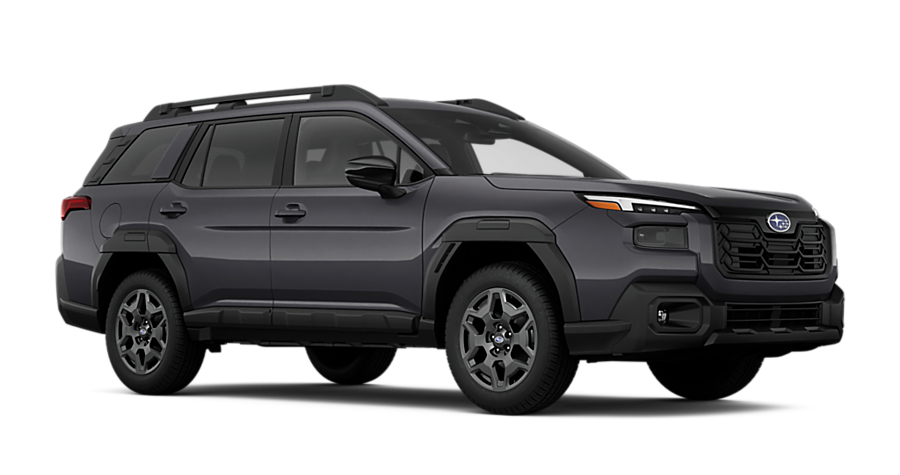
The main difference between the Subaru Outback and Toyota RAV4 is their overall footprint and approach to capability. The Subaru Outback is a midsize utility vehicle with a longer wheelbase, standard full-time Symmetrical All-Wheel Drive, and a car-like ride quality. The Toyota RAV4 is a compact SUV with a shorter, taller stance, offering front-wheel drive as standard and slip-and-grip all-wheel drive as an option. While both are highly reliable, the Outback generally offers a smoother highway ride, deeper cargo space, and more standard capability for wet or unpaved conditions.
Which SUV fits your lifestyle better?
Both the Subaru Outback and Toyota RAV4 are incredibly popular for a reason: they offer practical space, good fuel economy, and strong resale value. However, they are fundamentally different types of vehicles. The RAV4 competes in the compact SUV segment alongside vehicles like the Subaru Forester, while the Outback straddles the line between a midsize SUV and a highly capable station wagon.
For drivers in Newnan, Peachtree City, and the greater South Atlanta area, the choice often comes down to how much highway commuting you do, how much gear you carry, and how much you value standard all-wheel drive.
AWD Capability and Performance
If you frequently drive in heavy Georgia rain, navigate wet leaves, or take your vehicle to unpaved trails for camping and hiking, the difference in how these two vehicles put power to the ground is significant.
- Subaru Symmetrical AWD (Standard on Outback): This is a full-time, always-on system. Power is actively routed to all four wheels constantly, providing immediate grip before a tire ever slips. This layout is balanced evenly down the center of the vehicle for better handling.
- Toyota AWD (Optional on RAV4): Base RAV4 models are Front-Wheel Drive (FWD). If you upgrade to an AWD model, it uses a “slip-and-grip” system. The vehicle operates primarily in FWD to save fuel and only sends power to the rear wheels when the front wheels lose traction.
- Ground Clearance: Both vehicles offer excellent ground clearance (up to 8.7 inches for the standard Outback and up to 8.6 for the RAV4), allowing them to easily clear obstacles, speed bumps, and trail debris.
Under the Hood
Subaru Outback Engine Options:
- 2.5-liter SUBARU BOXER® engine (Standard, focused on smooth efficiency)
- 2.4-liter turbocharged BOXER® engine (Available on XT and Wilderness trims for strong highway passing power and towing up to 3,500 lbs.)
Toyota RAV4 Engine Options:
- 2.5-liter 4-cylinder (Standard)
- Hybrid and Prime (PHEV) powertrains available for maximizing fuel economy.
Interior Space, Cargo, and Ride Quality
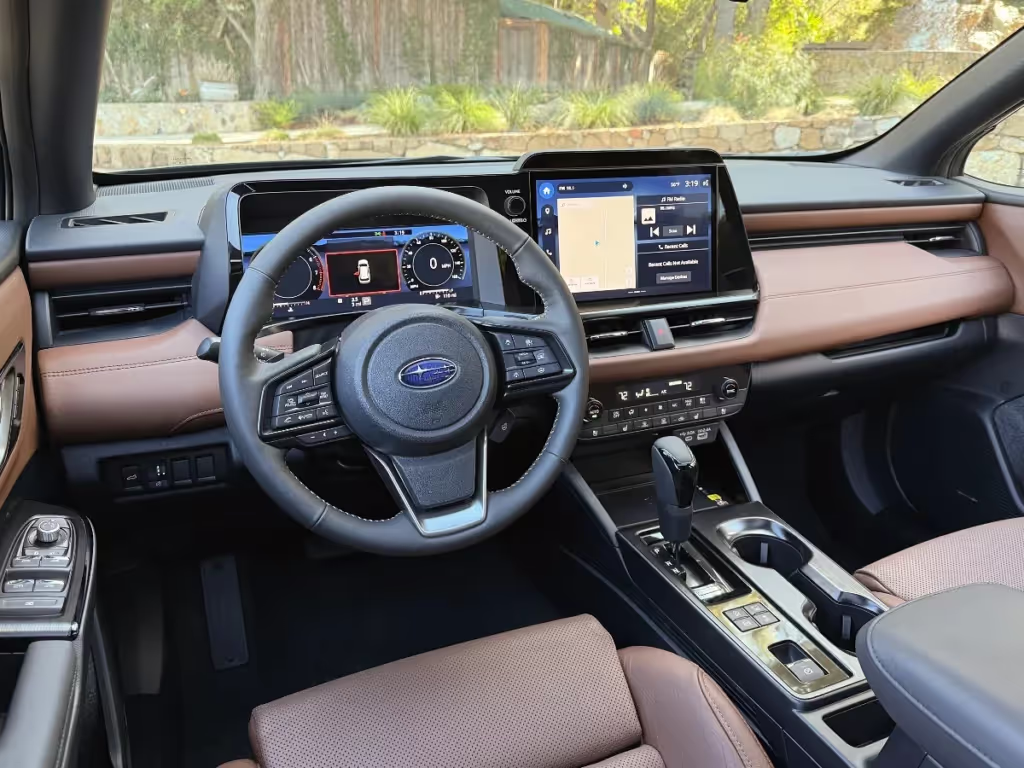
Because the Outback is longer, it delivers a distinctly different interior experience than the RAV4.
- Passenger Comfort: The Outback’s longer wheelbase translates to more rear-seat legroom and a smoother, more composed ride on the highway—perfect for long commutes down I-85 or family road trips.
- Cargo Shape: While both vehicles offer roughly similar total cargo volume numbers, the shape is different. The RAV4 is taller and boxier. The Outback is longer and deeper. This makes the Outback exceptional for carrying long items (like skis, lumber, or large camping tents) without folding down the front seat.
- Roof Loading: The Outback’s slightly lower roofline makes it much easier for the average person to load kayaks, bikes, or cargo boxes onto the standard roof rails with integrated crossbars.
Tech, Safety, and the Daily Commute
When you are commuting in stop-and-go Atlanta traffic or running errands around Coweta County, safety and interior technology take center stage.
Safety Suites
Both vehicles prioritize safety. The Outback comes standard with Subaru EyeSight® Driver Assist Technology, which uses dual color cameras to monitor traffic movement, optimize cruise control, and warn you if you sway outside your lane. Toyota offers its comparable Toyota Safety Sense suite. Both frequently earn top safety ratings from the IIHS.
Infotainment
The Subaru Outback stands out with its available 11.6-inch high-resolution touchscreen, providing a tablet-like interface for Apple CarPlay®, Android Auto™, and climate controls. The RAV4 features a more traditional, smaller screen perched atop the dashboard.
Making Your Decision: Which is Right for You?
| Consideration | Subaru Outback | Toyota RAV4 |
|---|---|---|
| Best for Highway Commuting | Excellent. Longer wheelbase provides a smoother, quieter ride. | Good, but shorter wheelbase can feel a bit more rigid over bumps. |
| All-Weather Confidence | Standard full-time Symmetrical AWD across all trims. | Base models are FWD; part-time AWD requires an upgrade. |
| Loading Roof Cargo | Easier due to a slightly lower roof height and built-in crossbars. | Harder reach; requires purchasing aftermarket crossbars. |
| City Parking | Slightly longer, making tight street parking require a bit more room. | Compact footprint makes slipping into small spaces very easy. |